What is Dental Scaling?
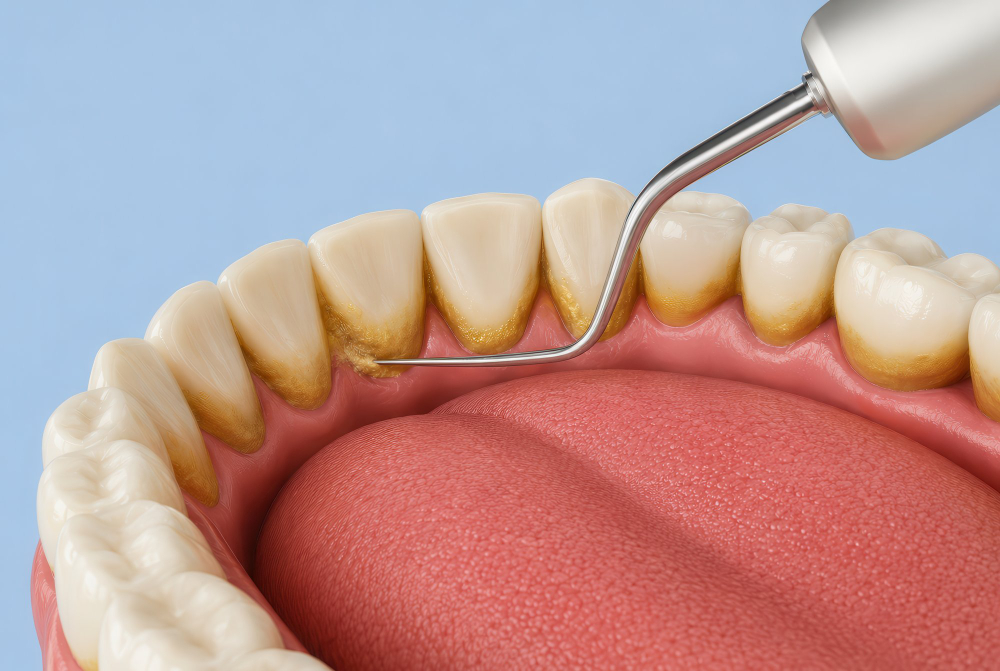
Dental scaling is a common procedure that removes plaque and tartar from your teeth. Plaque is a sticky film of bacteria. Over time, it can harden into tartar, which is harder to remove. Dentists use special tools to clean above and below the gum line. This process is also called deep cleaning teeth. Often, scaling is the first step in treating gum disease.
Why is Scaling Important?
Scaling plays a key role in oral health maintenance. Without regular cleaning, plaque and tartar can lead to gum disease. In addition, bacteria from your mouth can enter your bloodstream. This may affect your overall health. For example, studies show a link between gum disease and heart problems. Therefore, scaling helps prevent serious health issues.
Symptoms Indicating You May Need Scaling
Sometimes, your mouth gives warning signs. If you notice any of these symptoms, you may need a dental scaling procedure:
However, even if you have no symptoms, regular checkups are important.
How is Scaling Performed?
First, your dentist will examine your mouth. Next, they use special tools to remove plaque and tartar. Sometimes, they use ultrasonic devices that vibrate gently. After scaling, your dentist may polish your teeth. In some cases, deep cleaning teeth includes root planing. This smooths the tooth roots to help gums reattach. The procedure is usually painless, but you may feel slight discomfort.
Benefits of Scaling and Deep Cleaning
There are many benefits of scaling and deep cleaning, such as:
Moreover, regular scaling can help you avoid more complex dental treatments later.
Risks and Side Effects
Although scaling is safe, some people may notice mild side effects. For example, you might feel tooth sensitivity or sore gums for a few days. Rarely, gums may bleed slightly. However, these effects usually go away quickly. If you have any concerns, talk to your dentist.
Prevention and Oral Hygiene Tips
Good oral hygiene helps prevent the need for frequent scaling. Here are some easy tips:
By following these steps, you can keep your mouth healthy and reduce the need for deep cleaning teeth.
When to Consult a Dentist
If you notice signs of gum disease or have not had a cleaning in over six months, it is time to see your dentist. Early treatment can prevent bigger problems. In addition, your dentist can give you advice on oral health maintenance and the dental scaling procedure.
For more information, you can visit trusted sources like the Centers for Disease Control and Prevention (CDC) or the World Health Organization (WHO).
To sum up, dental scaling and deep cleaning are vital for a healthy mouth. Consult your dentist for personalized advice on dental scaling and oral health.