
What Is Tetracycline Staining?
Tetracycline staining is a type of tooth discoloration. It happens when teeth are exposed to a medicine called tetracycline. This antibiotic is often used to treat infections. However, if taken during tooth development, it can cause teeth to turn yellow, brown, or even gray. Because of this, the stains are often deep inside the tooth. Unlike surface stains, these do not go away with regular brushing. Tetracycline teeth stains can affect both children and adults. Yet, the problem usually starts in childhood when teeth are still forming.
How Tetracycline Staining Affects Your Smile
Clearly, a bright smile boosts confidence. But tetracycline staining can make teeth look dark or uneven in color. As a result, many people feel self-conscious about their appearance. Sometimes, the stains are so noticeable that people avoid smiling or speaking in public. In addition, these stains can make teeth look unhealthy, even if they are strong. For many, this leads to embarrassment and social discomfort. Fortunately, cosmetic dentistry for stained teeth offers several solutions.
Causes of Tetracycline Staining
There are a few main reasons why tetracycline staining occurs:
Because of these risks, doctors now avoid giving tetracycline to pregnant women and young children. Still, some adults may have stains from past use.
Diagnosis: How Dentists Identify Tetracycline Stains
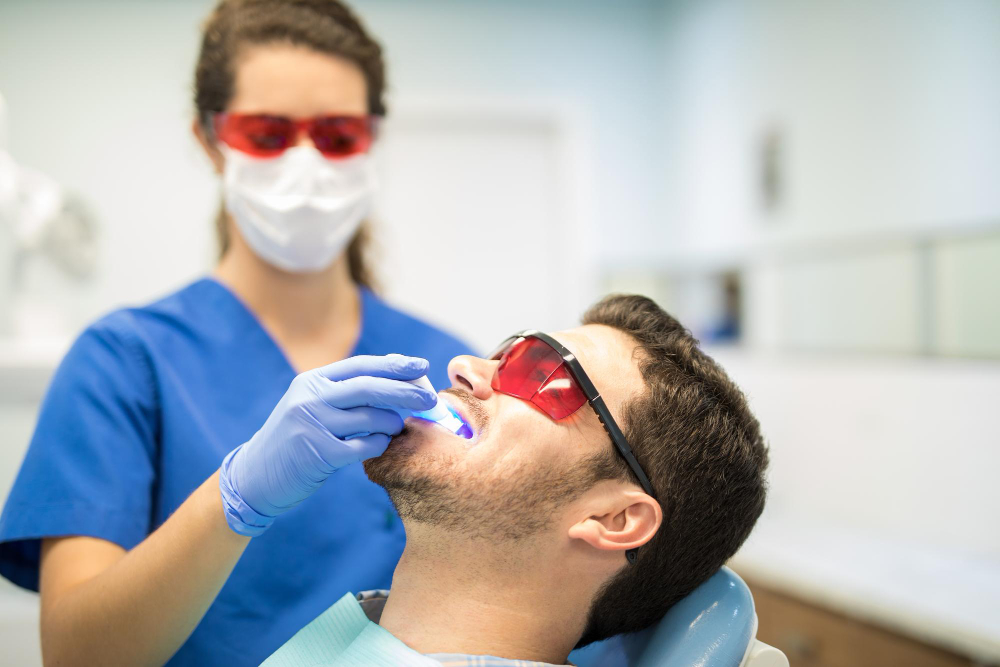
First, dentists look at the color and pattern of the stains. Tetracycline stains often appear as bands or stripes on the teeth. Next, your dentist will ask about your medical history. If you took tetracycline as a child or if your mother took it during pregnancy, this helps confirm the cause. Sometimes, dentists use special lights to see the depth of the stains. This helps them decide the best treatment. According to the American Dental Association, a careful exam is key for proper diagnosis.
Treatment Options for Tetracycline Staining
Although tetracycline stains are stubborn, several treatments can help. Here are some common ways to remove tetracycline stains:
Because each case is different, your dentist will suggest the best option for you. Cosmetic dentistry for stained teeth has advanced, so more people can enjoy a brighter smile. For more details, see resources from the American Dental Association and peer-reviewed dental journals.
Prevention Tips and Lifestyle Guidance
While you cannot always prevent tetracycline staining, you can lower the risk:
Additionally, healthy habits can help keep your smile bright. For example, avoid foods and drinks that stain teeth, like coffee or tea. If you smoke, consider quitting, as tobacco can worsen discoloration.
Frequently Asked Questions (FAQs)
In summary, tetracycline staining can affect your smile and confidence. However, many treatment options are available. For the best results, consult your dentist. They can help you choose the right way to remove tetracycline stains and restore your smile.
Ready to improve your smile? Schedule a visit with your dentist to discuss the best treatment for tetracycline staining. Personalized advice can help you achieve a brighter, more confident smile.