Introduction
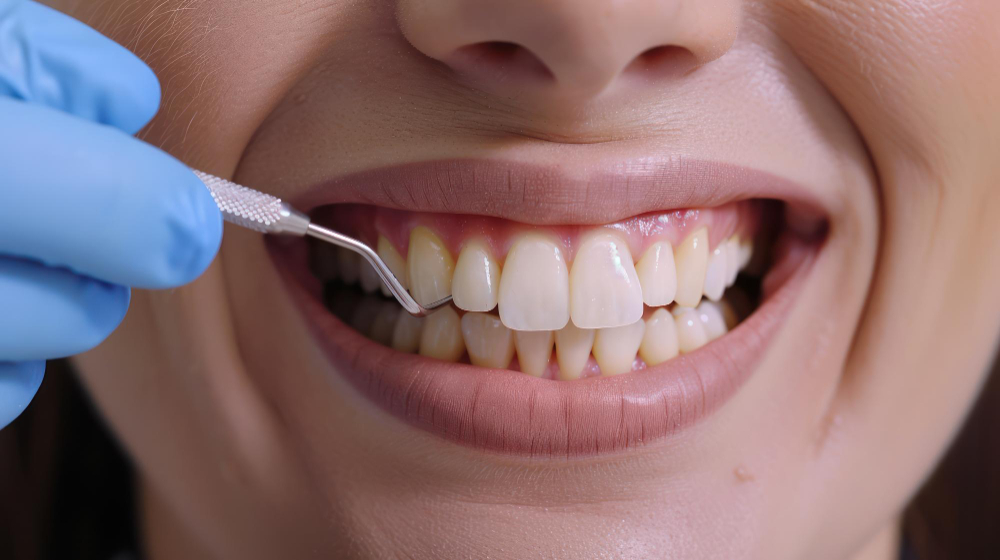
Gum contouring is a cosmetic dental procedure that reshapes your gum line. Many people choose gum contouring to improve their smile. Sometimes, gums cover too much or too little of the teeth. As a result, your teeth may look uneven or too short. Gum contouring can help create a balanced, healthy-looking smile. Dentists use this treatment to fix uneven gum lines and boost confidence. According to the American Dental Association, gum reshaping is safe when done by a trained professional.
Symptoms or Reasons People Consider Gum Contouring
Many people think about gum contouring for several reasons. For example, you may notice:
Sometimes, people want gum contouring for cosmetic reasons. However, others may need it to treat gum disease or improve oral health.
Causes of Uneven Gum Lines
There are several causes of uneven gum lines. For instance, genetics can play a big role. Some people are born with gums that cover more or less of their teeth. In addition, certain health conditions, like gum disease, can change your gum line. Sometimes, medications or dental treatments can also affect your gums. As you age, your gums may recede or shift. Because of these reasons, your smile may look uneven.
Diagnosis and Consultation Process
If you are thinking about gum contouring, start with a dental consultation. First, your dentist will examine your mouth. They may take X-rays to check your teeth and gums. Next, you will discuss your goals and concerns. Your dentist will explain if gum contouring is right for you. They will also talk about the risks and benefits. In some cases, your dentist may refer you to a gum specialist, called a periodontist.
Gum Contouring Procedure
Gum contouring is usually done in a dental office. Before the procedure, your dentist will numb your gums with local anesthesia. There are two main methods:
The procedure often takes about one hour. Most people feel little pain during the treatment. Afterward, your dentist will give you care instructions. Because the process is quick, you can usually go home the same day.
Recovery and Aftercare Tips
After gum contouring, you may feel mild discomfort or swelling. However, most people recover quickly. To help healing, follow these tips:
Usually, gums heal within one to two weeks. If you notice heavy bleeding or signs of infection, contact your dentist right away.
Benefits and Potential Risks
Gum contouring offers many benefits. For example, it can:
However, there are some risks. These may include:
Most risks are rare, especially when you follow your dentist’s advice. The American Dental Association notes that gum contouring is safe for most people.
Prevention and Oral Health Guidance
While gum contouring can fix uneven gum lines, good oral care is key. To keep your gums healthy:
Because healthy gums support your teeth, these habits can help prevent future problems. If you notice changes in your gums, see your dentist soon.
Frequently Asked Questions
Conclusion
Gum contouring can help you achieve a balanced, attractive smile. If you are thinking about this gum reshaping procedure, talk to a dental specialist. They can guide you on the best options for your needs. For personalized advice on gum contouring, consult a dental specialist today.