
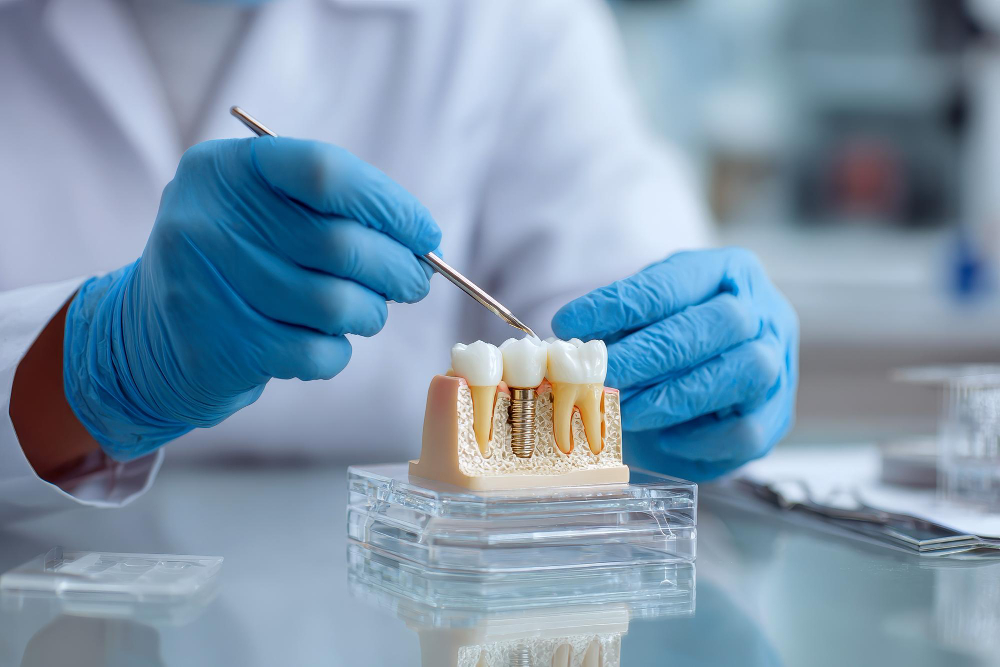
Missing teeth can affect your smile, speech, and confidence. Dental implants are a permanent solution for missing teeth. They look and feel like natural teeth. In this blog, you will learn what dental implants are, who needs them, and how they work. We will also cover the benefits, risks, and aftercare tips for dental implants. If you are searching for a lasting tooth replacement, dental implants may be right for you.
What Are Dental Implants?
Dental implants are small metal posts. Dentists place them in your jawbone to replace missing teeth. Over time, the bone grows around the implant. This makes the implant strong and stable. After healing, a dentist attaches a crown, bridge, or denture to the implant. As a result, dental implants act like real teeth. According to the American Dental Association, dental implants are safe and effective for most adults.
Who Needs Dental Implants?
Many people can benefit from dental implants. You may need dental implants if you:
However, not everyone is a candidate. For example, people with certain health problems may need other options. Always talk to your dentist to see if dental implants are right for you.
Benefits of Dental Implants
Dental implants offer many advantages over other missing teeth solutions. Some key benefits include:
Because dental implants are fixed in place, they provide a stable and comfortable fit. In addition, they can boost your confidence and improve your quality of life.
The Dental Implant Procedure: Step-by-Step
Getting dental implants usually takes several steps. Here is what you can expect:
Each step is important for a strong and lasting result. Your dentist will guide you through the process.
Risks and Considerations
Like any surgery, dental implants have some risks. However, most people have no serious problems. Possible risks include:
To reduce risks, choose a skilled dental specialist. Also, follow all care instructions. According to the CDC, dental implants have a high success rate when done by trained professionals.
Aftercare and Recovery Tips
Proper care helps your dental implants last longer. Here are some tips for aftercare and recovery:
With good care, dental implants can last many years or even a lifetime.
Frequently Asked Questions About Dental Implants
Prevention: How to Avoid Tooth Loss
While dental implants are a great solution, it is best to keep your natural teeth healthy. Here are some ways to prevent tooth loss:
By caring for your teeth, you can lower your risk of tooth loss and keep your smile bright.
Dental implants are a proven, permanent solution for missing teeth. They can restore your smile and improve your quality of life. Consult a dental specialist to find out if dental implants are right for you.