What is Malocclusion?
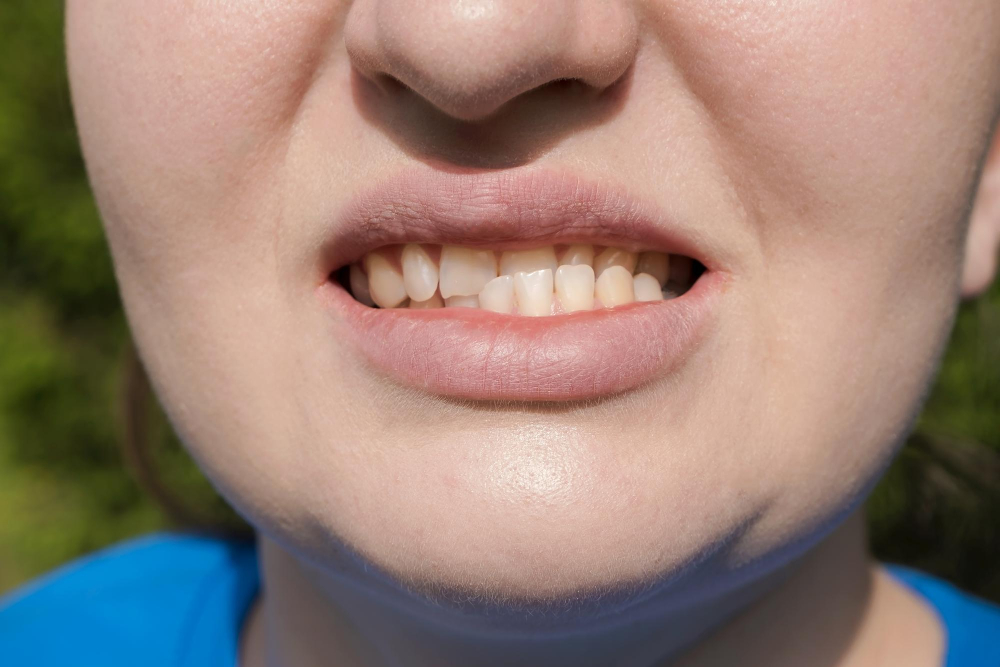
Malocclusion is a dental term for misaligned teeth or jaws. When teeth do not fit together as they should, it can cause problems with chewing, speaking, and even smiling. Many people have some form of malocclusion. However, not all cases need treatment. Dentists often use the term “types of malocclusion” to describe different ways teeth can be out of place. According to the World Health Organization, malocclusion is a common dental issue worldwide.
Causes of Malocclusion
There are several reasons why malocclusion can develop. Sometimes, it is inherited from parents. Other times, habits or injuries can change how teeth grow. For example, thumb sucking or using a pacifier for too long can affect a child’s teeth. In addition, early loss of baby teeth may cause nearby teeth to shift. Accidents or jaw injuries can also lead to malocclusion. Sometimes, extra teeth or crowded teeth play a role. Even poor dental care can make the problem worse.
Common Symptoms of Malocclusion
Malocclusion symptoms can vary from mild to severe. Some people may not notice any problems at first. However, as teeth shift, symptoms may appear. For instance, you might see crooked or crowded teeth. Sometimes, the upper and lower teeth do not meet properly. This can make biting or chewing food harder. Speech problems may also develop. In some cases, people feel pain in the jaw or mouth. Additionally, frequent biting of the inner cheeks or tongue can happen.
How Malocclusion is Diagnosed
Early diagnosis of malocclusion helps prevent further problems. Dentists check for signs during regular dental visits. First, they look at how your teeth fit together. Next, they may take X-rays to see the position of teeth and jaws. Sometimes, dentists use dental molds to study your bite. In addition, they will ask about any symptoms you notice. This process is called malocclusion diagnosis. The dentist may also discuss the different types of malocclusion, such as overbite, underbite, or crossbite.
Treatment Options for Malocclusion
There are several malocclusion treatment options available. The right choice depends on your age, the type of malocclusion, and how severe it is. For mild cases, no treatment may be needed. However, moderate or severe cases often require dental care. Braces are the most common treatment. They gently move teeth into the right position. In some cases, clear aligners can be used instead of braces. For children, removing baby teeth early may help. Sometimes, dentists recommend surgery for severe jaw problems. Retainers are often used after braces to keep teeth in place.
According to the American Association of Orthodontists, early treatment can make a big difference.
Prevention and Lifestyle Tips
While not all malocclusion can be prevented, some steps can help. For example, parents should limit thumb sucking and pacifier use after age two. Regular dental check-ups are important for children and adults. Good oral hygiene, such as brushing and flossing, helps keep teeth healthy. In addition, wearing a mouthguard during sports can protect teeth from injury. If you notice any changes in your bite, see a dentist soon. Early action can prevent bigger problems later.
When to See a Dentist
It is important to see a dentist if you notice signs of malocclusion. For example, crooked teeth, trouble chewing, or jaw pain should not be ignored. Even if symptoms seem mild, a dentist can check for hidden problems. Early diagnosis and treatment can prevent more serious issues. If your child has habits like thumb sucking, talk to your dentist. Remember, regular dental visits help keep your smile healthy.
For personalized advice on malocclusion, consult a dental specialist. They can guide you on the best steps for your dental health.