What is Teeth Cleaning?
Teeth cleaning is a simple way to keep your mouth healthy. It means removing plaque, tartar, and stains from your teeth. Usually, you can clean your teeth at home with a toothbrush and floss. However, professional teeth cleaning by a dentist is also important. This process helps prevent tooth decay and gum disease. In fact, regular teeth cleaning is a key part of good oral hygiene.
Why is Teeth Cleaning Important?
Keeping your teeth clean does more than make your smile look good. First, it helps stop cavities and gum problems. Also, clean teeth mean fresher breath. If you skip teeth cleaning, plaque can build up. Over time, this can lead to tooth loss or painful infections. Moreover, poor oral health can affect your whole body. For example, it may raise your risk for heart disease. So, regular teeth cleaning protects both your mouth and your overall health.
Professional Teeth Cleaning Procedure
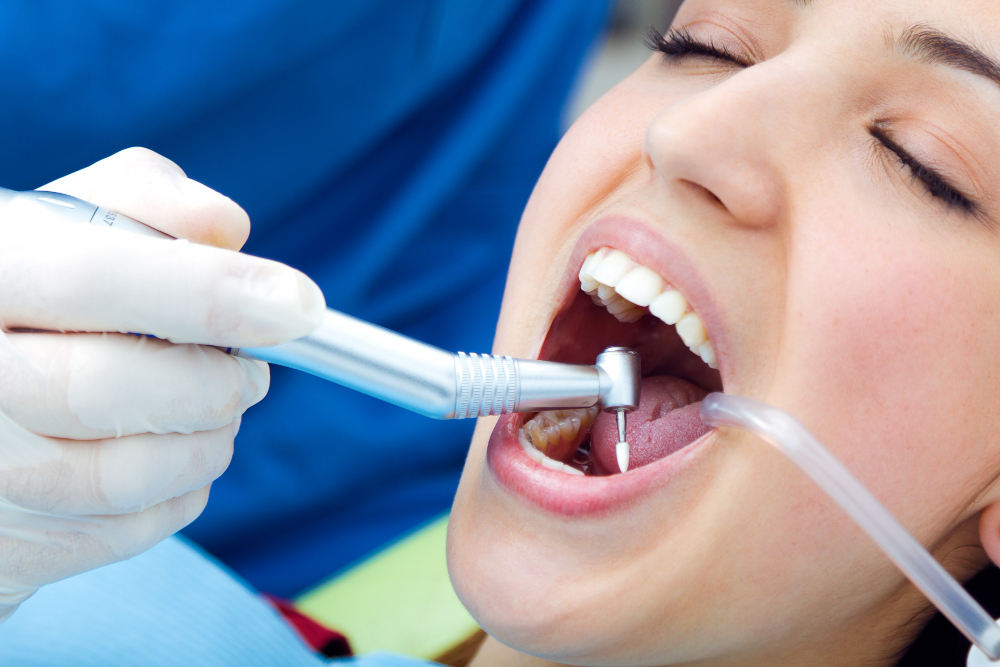
Many people wonder what happens during a professional dental cleaning. Here is a step-by-step look at the process:
Sometimes, the dentist may apply fluoride to help protect your teeth. The whole process usually takes about 30 to 60 minutes. Most people find it painless, though you may feel a little pressure or tickling.
At-Home Teeth Cleaning Tips
While professional cleanings are vital, daily care at home is just as important. Here are some tips for how to clean teeth effectively:
By following these oral hygiene tips, you can keep your teeth and gums healthy every day.
Common Myths About Teeth Cleaning
There are many myths about teeth cleaning. Let’s clear up a few:
Understanding the truth helps you care for your teeth the right way.
Aftercare and Maintenance
After a professional dental cleaning, your mouth may feel extra fresh. Still, it is important to care for your teeth every day. Here are some aftercare tips:
With good aftercare, you can enjoy the benefits of teeth cleaning for a long time.
Frequently Asked Questions
Conclusion
In summary, teeth cleaning is vital for a healthy mouth and body. Both professional dental cleaning and daily care at home play a role. If you have questions or concerns, consult your dentist for personalized advice on teeth cleaning and oral health.